Waiting to Be Heard
Video Series: Public Awareness of Public Education
We’re launching a new video series that features top education experts and researchers, but most importantly, students in and of the system. We need to protect our public schools NOW.
Read Why.
Most Americans aren’t confident in the public education system.
According to telephone polls conducted by Gallup in 2025, only 35% of Americans reported feeling satisfied with the quality of education that K-12 students receive, eight percentage points less than last year.
This dissatisfaction is not without reason—many respondents rated schools as fair or poor in preparing students for the workforce and for college, which is reinforced by recent results from the Nation’s Report Card, administered by the National Assessment of Educational Progress (NAEP), documenting a sharp decline in reading and math scores since 2019.
Of course, the findings offered by NAEP are alarming and warrant investigation. However, the conclusions drawn from them often extend beyond what the data supports. An overreliance on standardized assessments risks reducing our complex public education system into a single narrative: that public schools are failing. When test scores become indicators of institutional worth, they obscure structural inequities, pandemic disruption, funding disparities, and nonacademic roles schools play in children’s lives. The result is a growing disinvestment in public education. Just between 2020 and 2025, the number of students in Ohio alone on the voucher program has risen by nearly 100,000 students.
It is easy to fall into the narrative trap that our public schools are “failing.” It is easy to believe the misinterpretation of test scores, succumb to outlier data points when the headlines are told without telling the trendlines, and become distraught by selective anecdotes. In fact, we only questioned this narrative because of our lived experiences as public school students, the genuine love for learning that we’ve developed because of public education, and the transformative relationships we’ve formed with mentors and peers in public schools.
“It is easy to believe the misinterpretation of test scores, succumb to outlier data points when the headlines are told without telling the trendlines, and become distraught by selective anecdotes.”
After discussions with teachers and community members, reading works by education historians, and consulting experts in public education, we saw the politicization of what should be a fundamental human right: accessible, affordable, and equitable education. We came to understand that disparities do not begin when a child walks into kindergarten, but as early as prenatal care. Data interpreted without accounting for these inequities goes beyond telling an incomplete story. It also prevents us from addressing root causes in meaningful ways.
“We came to understand that disparities do not begin when a child walks into kindergarten, but as early as prenatal care.”
We started to see schools not only as centers of education, but as centers of public health, community connection, and, at times, the only safe and stable space in a child’s life. We questioned whether achieving the highest international test scores is truly the goal we should be pursuing, or whether we ought instead to lean into our system’s unique strengths: its creativity and capacity to fuel innovation.
“We started to see schools not only as centers of education, but as centers of public health, community connection, and, at times, the only safe and stable space in a child’s life.”
We also began to recognize the contradiction in how the privatization of education is often presented: framed as a pathway for marginalized students to escape failing schools, yet in practice, they frequently serve more privileged families and selectively enroll “ideal” students. A free-market approach to education, we realized, risks prioritizing cost reduction over educational improvement.
These are only some of the many insights that reshaped our thinking. And, while we cannot solve the national education crisis, we have committed ourselves to helping more people see its realities clearly.
At EduRipple, we recognize that our initiatives are largely designed to create an environment outside of schools that supports education, creating a kind of positive surround sound that enables schools to educate well and leveraging the fruits of education in ways that empower and inspire young people. But the strength of this external environment we seek to create inherently relies on the climate and opportunities within schools themselves. In pursuing our mission, we seek to partner with public schools to ensure that our system nurtures the potential of each and every child.
We have faith that, upon seeing the reality clearly, you will join us on the front lines to protect our public schools.
Data consistently shows that Americans tend to view their own local public schools positively, even while expressing skepticism about public education nationally. Time and again, when public schools are placed on the ballot, even in traditionally conservative districts and states such as Kentucky, voters choose to preserve them. We don’t offer carte blanche to public schools, and we recognize the nuance this conversation demands. There are aspects of our public education system that must improve, but improvement does not begin with disinformation and a repetition of failed reform efforts. It begins with a clear-eyed recognition of what is evidence-based and a commitment to build something better from it.
“A free-market approach to education, we realized, risks prioritizing cost reduction over educational improvement.”
Regardless of whether you have children in school, you are part of both the solution and the problem. Our education system is a barometer of our nation’s health. Not only is our future moving through it, but you may be surprised by the innovators and changemakers already shaping the present from within our schools. American public schools remain one of the few institutions capable of reaching nearly every American. They are uniquely positioned to cultivate the recognition that each individual belongs to something larger than themselves or their family unit. They are part of America. They ARE America. WE are America.
“Regardless of if you have children in school, you are part of both the solution and the problem.”
As Horace Mann, often called the father of the Common School movement, wrote: “Education is the great equalizer of the conditions of men, the great balance wheel of social machinery.” While equal outcomes are unrealistic, equal opportunity is both possible and imperative. This responsibility extends beyond schools alone; it calls us to see our communities as learning environments and to sow seeds in the garden of our democracy. Public schools are, indeed, one of America’s most significant achievements, albeit unfinished.
“Public schools are, indeed, one of America’s most significant achievements, albeit unfinished.”
The project has yet to premiere. If you would like to be a part of it or know a young person who would meaningfully share their voice, let us know!
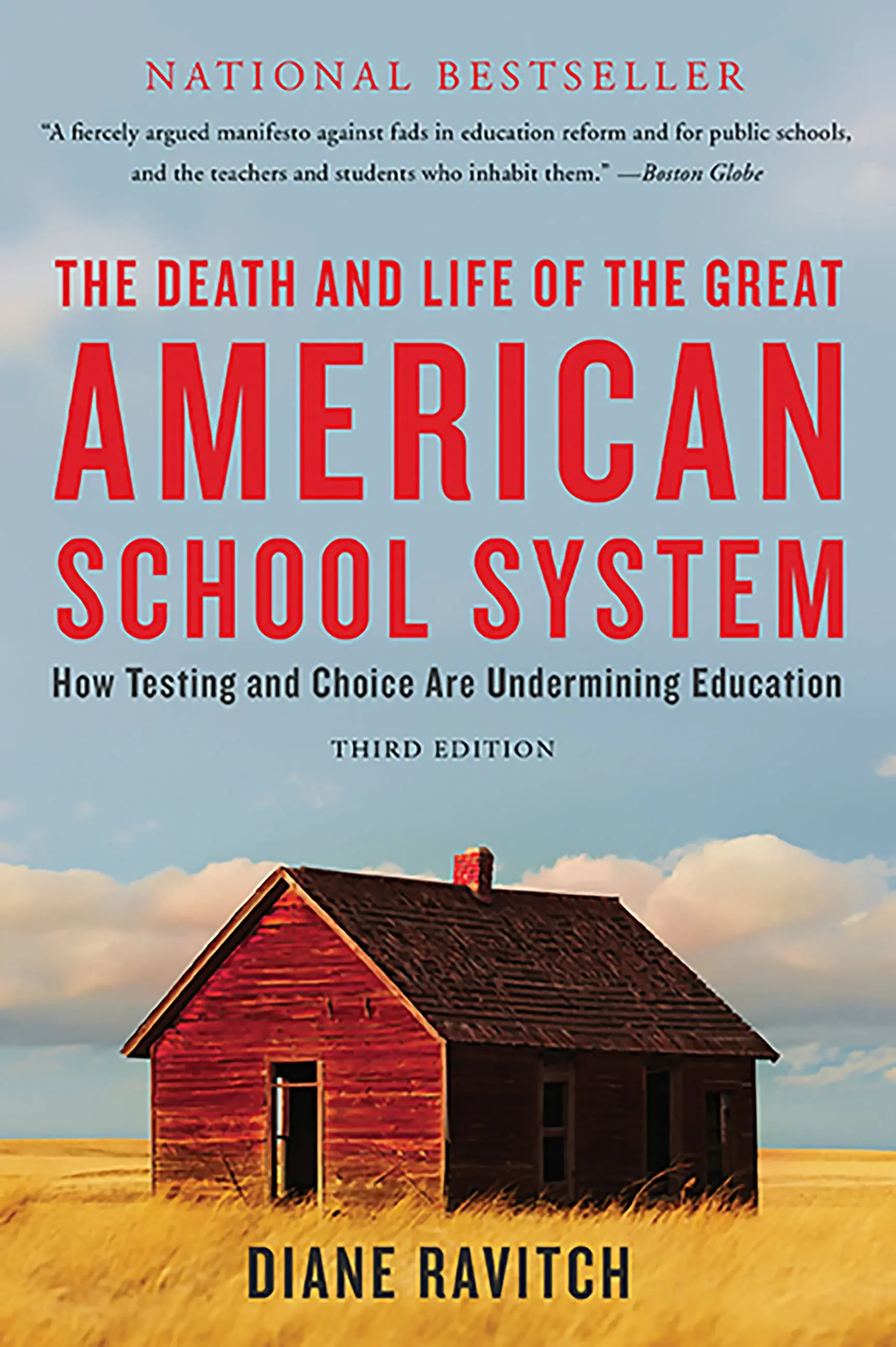
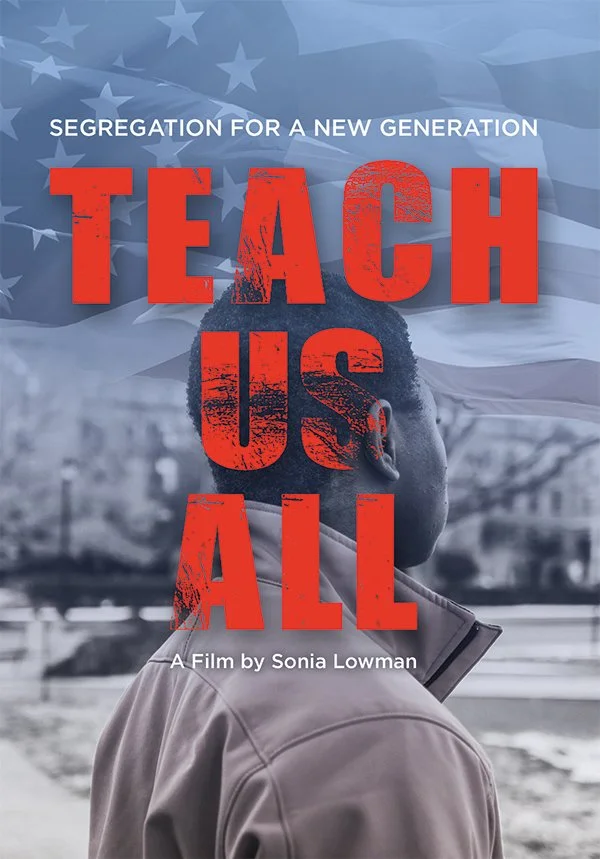
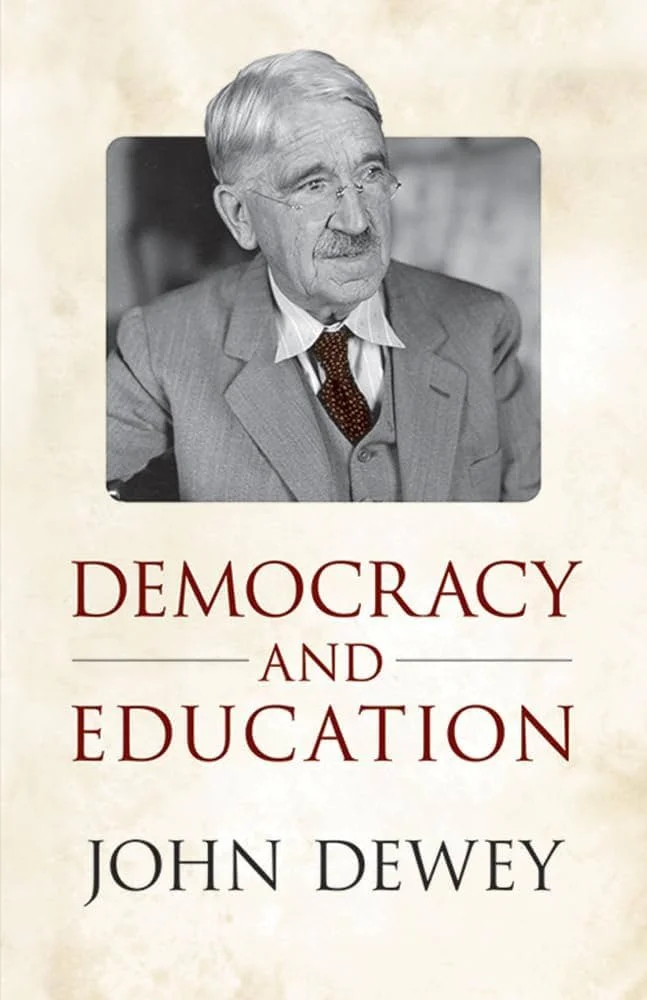
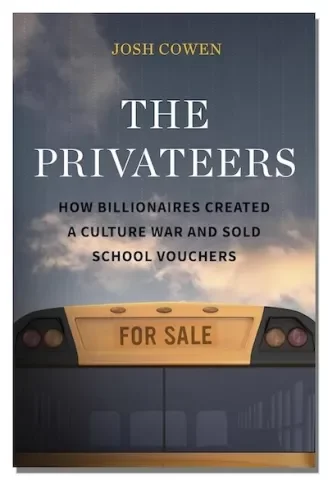
Explore Our Recommended Thought Material
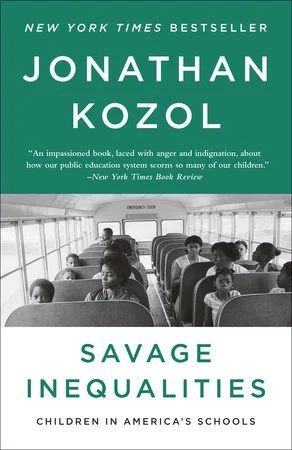
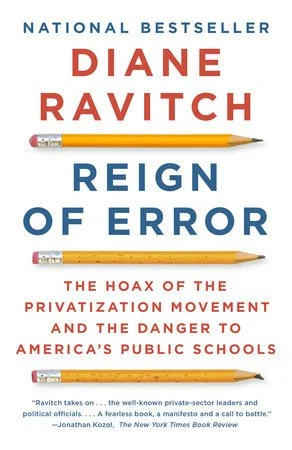
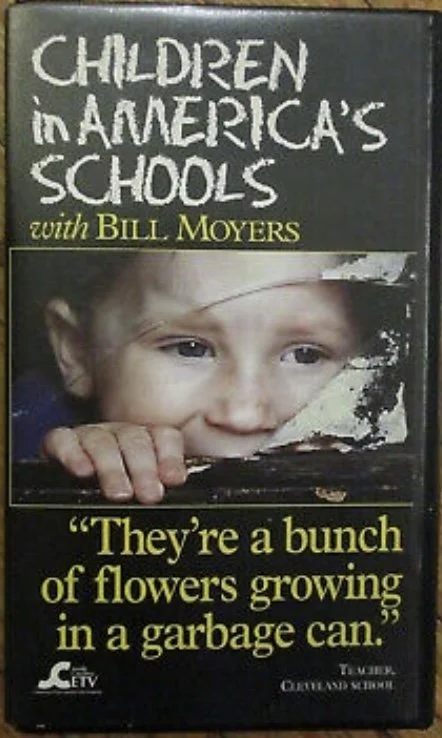
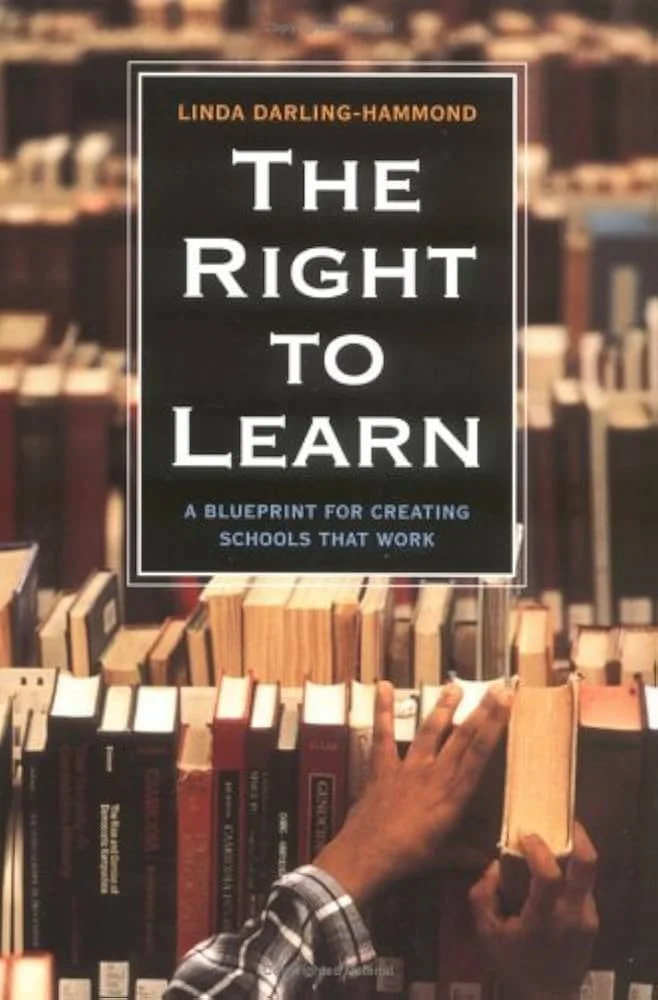
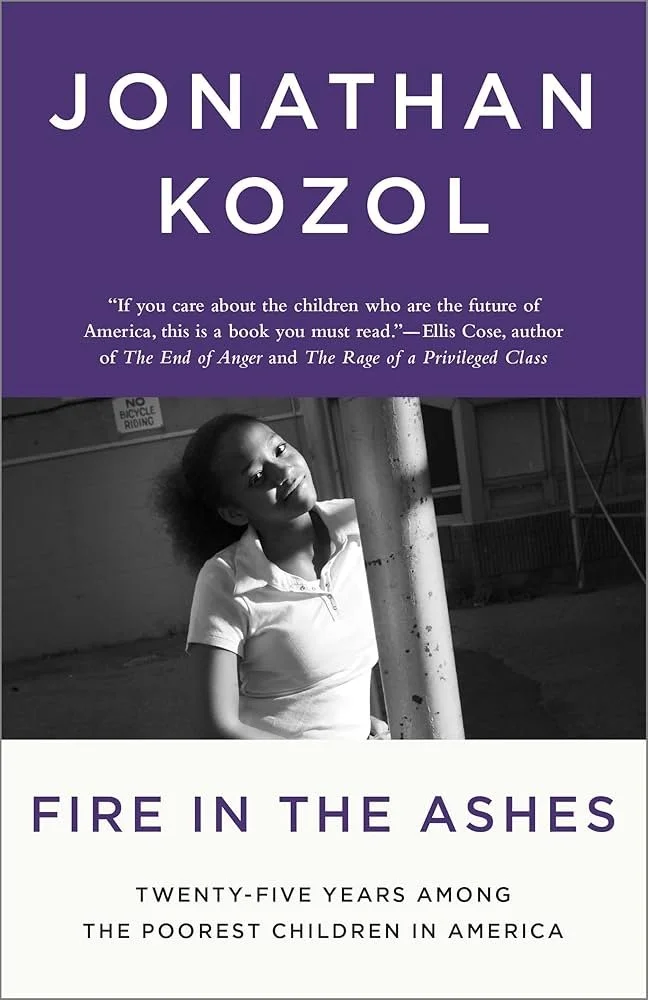
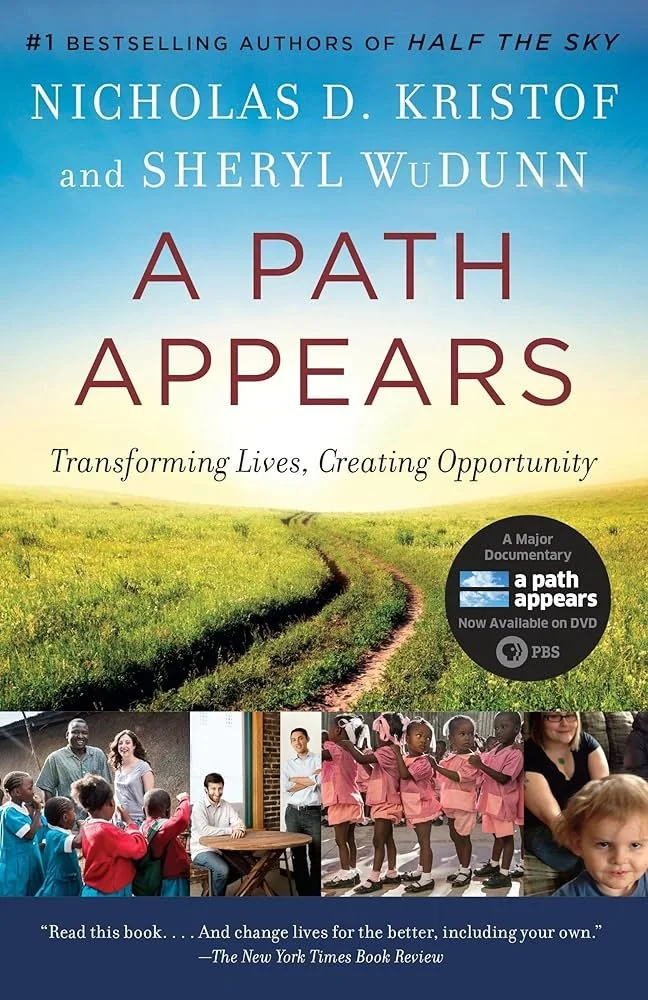
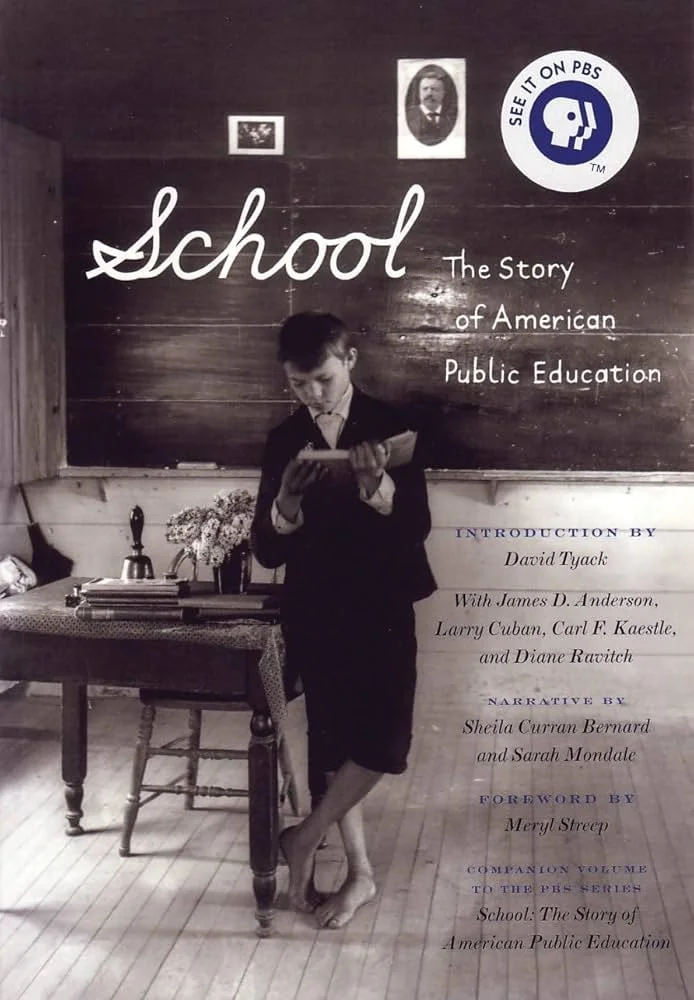
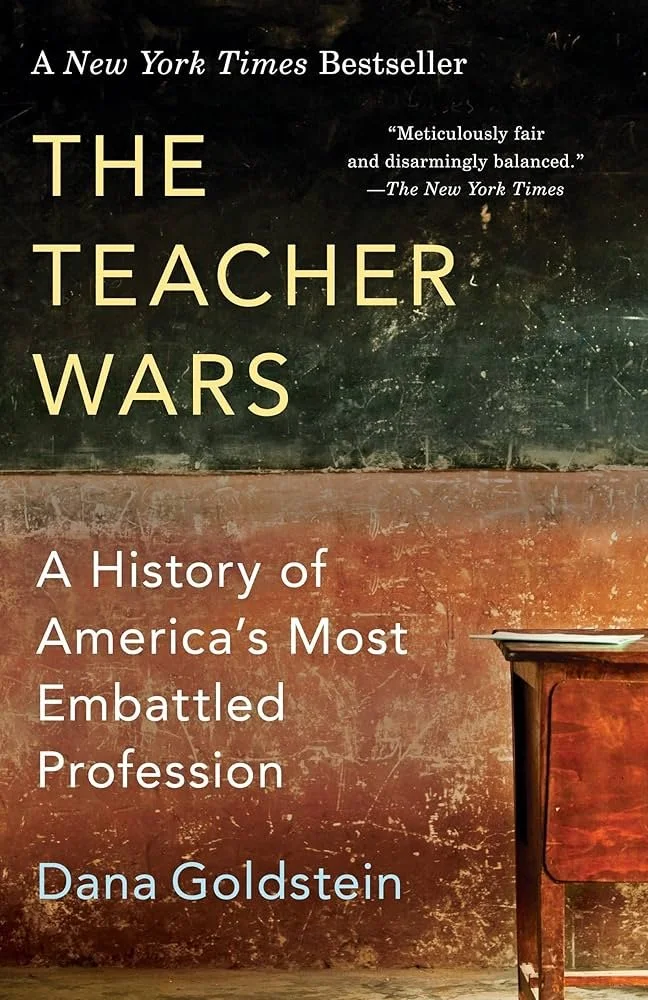
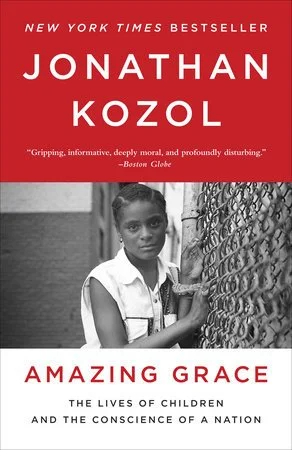
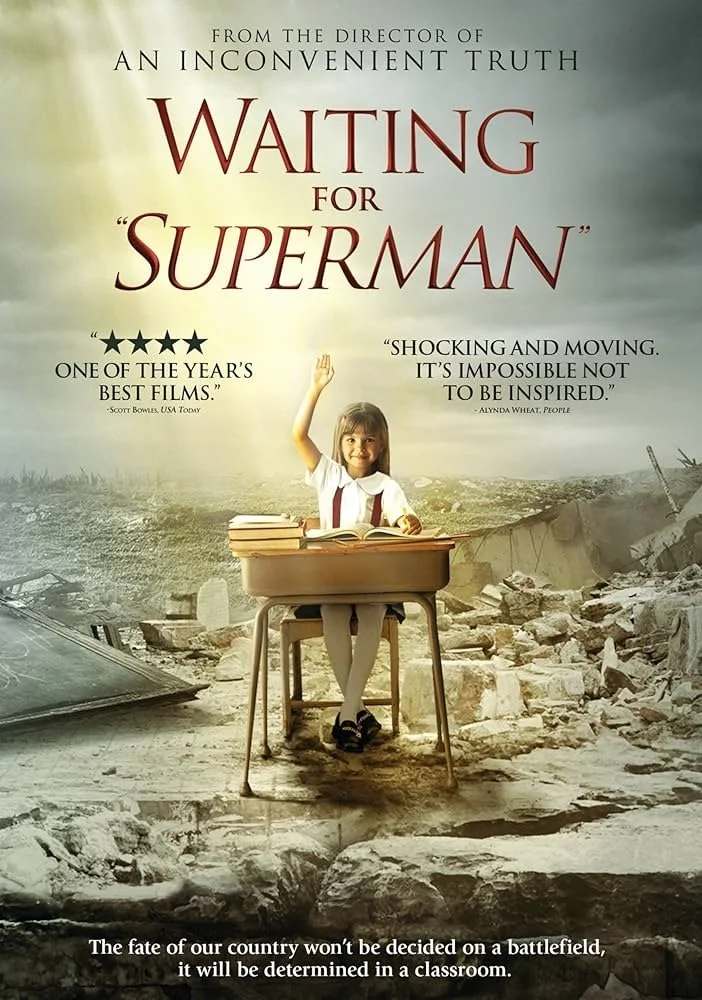
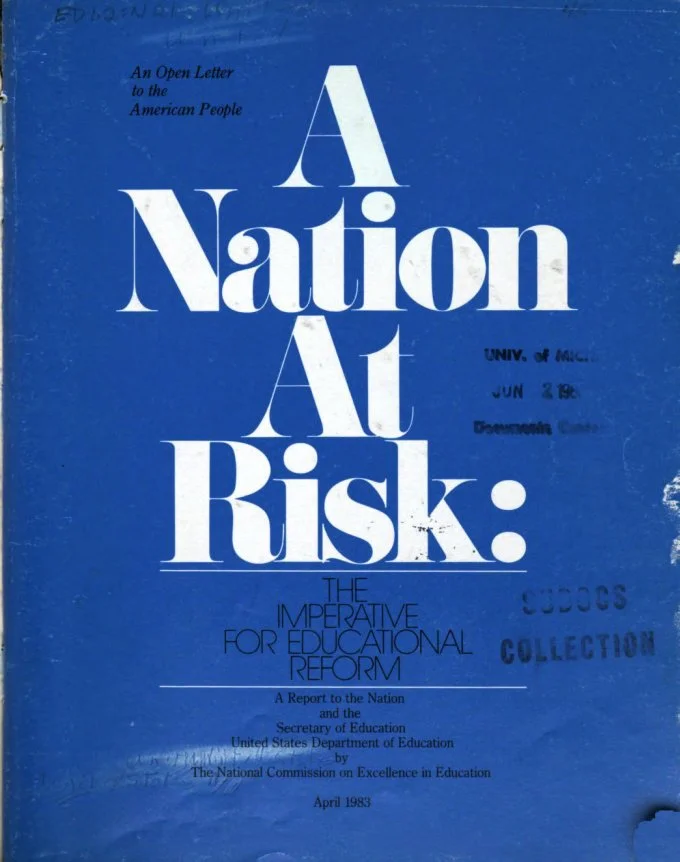
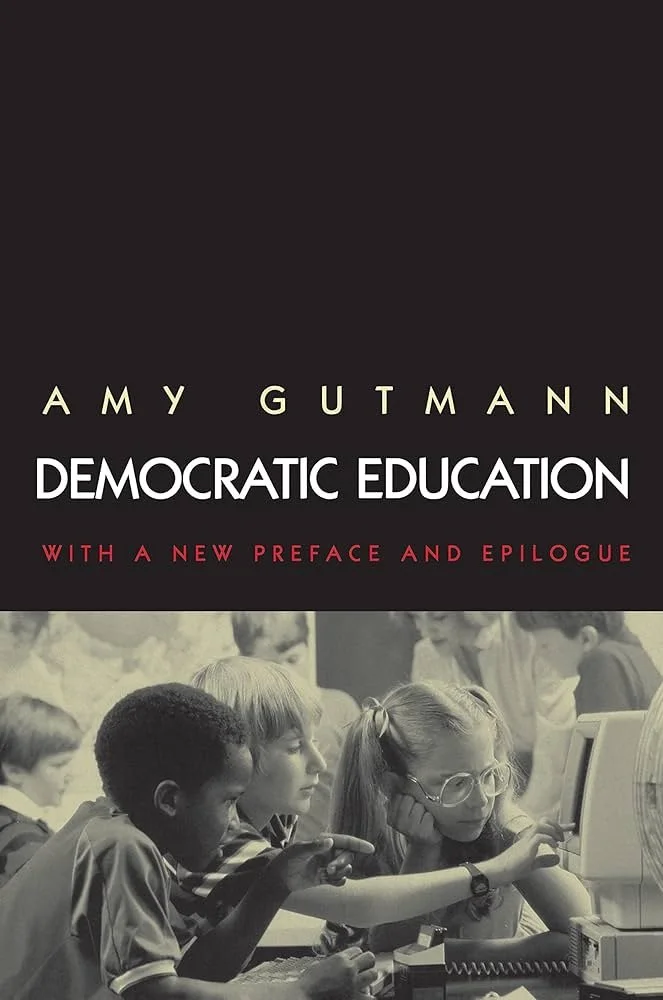
While many of the works are heart-wrenching and sorrowful, at their core, they provide a sense of hope. Indisputably, we must hold on to hope, but hope cannot be our plan. Our plan must be actionable and achievable. Our failure to act over the past decades has hurt generations, and while there are numerous success stories that are too consequential to overlook, there is also a school-to-prison pipeline that has mushroomed, for which our entire society shoulders the brunt. If, however, we can start to recognize and then nurture human potential rather than manage human limitations, we can all benefit. Because talent is universal and opportunity is not, it is up to us to fill the opportunity gaps. We must be driven by this process, trust this process, and have faith in each other along the way, not only for ourselves but for our posterity - for all the children, for we, too, once were children. Every single child deserves a childhood, and education is a fundamental part of childhood. The schoolhouse is the crucible where citizenship is instilled, and society is where it is applied. We all can have a say in how it is applied. And, our say must be more than our silence, than our acquiescence, which often results from inability to understand or imagine the problems we cannot see. For that reason, we invite you to explore several of the most thought-provoking, data-driven perspectives on public education that have informed our work. Share these books and documentaries with others and see how these different works interact with one another to provide a nuanced and complex picture of our public school system.