Our Philosophy:
We are grounded in the belief that education is as powerful as its application, and community involvement makes the process of transforming information into knowledge and knowledge into education more effective. We hope to actualize the saying “it takes a village to raise a child,” where entire communities are committed to nurturing the innate potential of every child. Therefore, we are dedicated to rallying everyone to sow seeds in a garden they may never see blossom, knowing that the act of tending carries meaning in itself, even beyond the fruits it yields. When members of society embrace this reciprocal, holistic model of education, everyone is reminded of the humility in taking on the roles of both student and teacher interchangeably.
Our Vision:
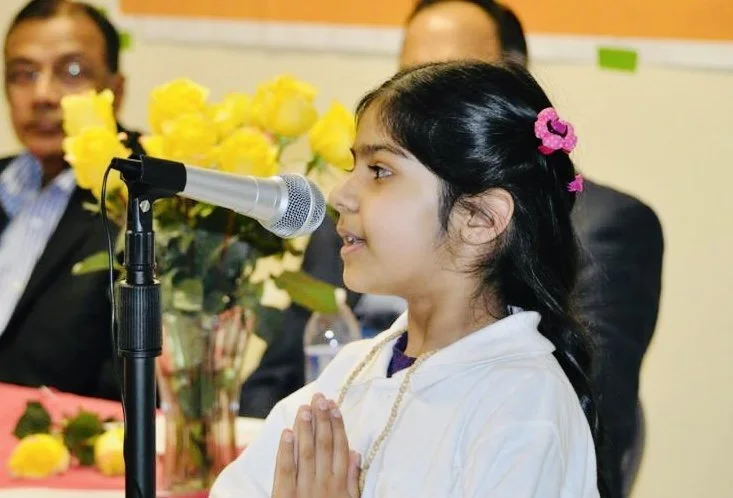
We advocate for a world where the public is empowered to continuously place faith in every child out of shared responsibility and the understanding that all environments can be learning environments. Ultimately, we envision a world where members of society adopt a proactive approach towards community-based education, acting not only in response to need but in recognition of innovative potential.

What Does It
Mean To Be
Educated?
Our Story
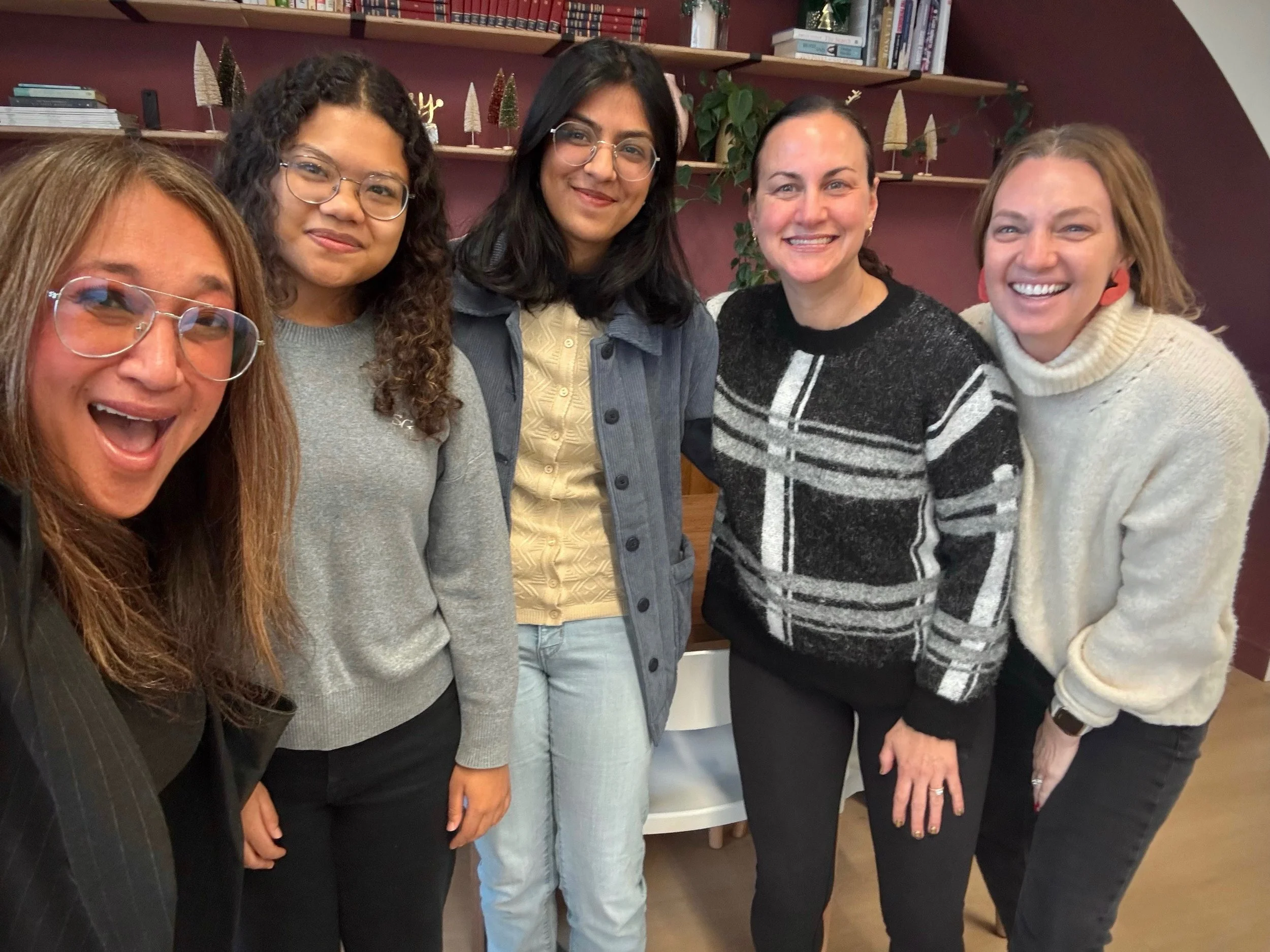
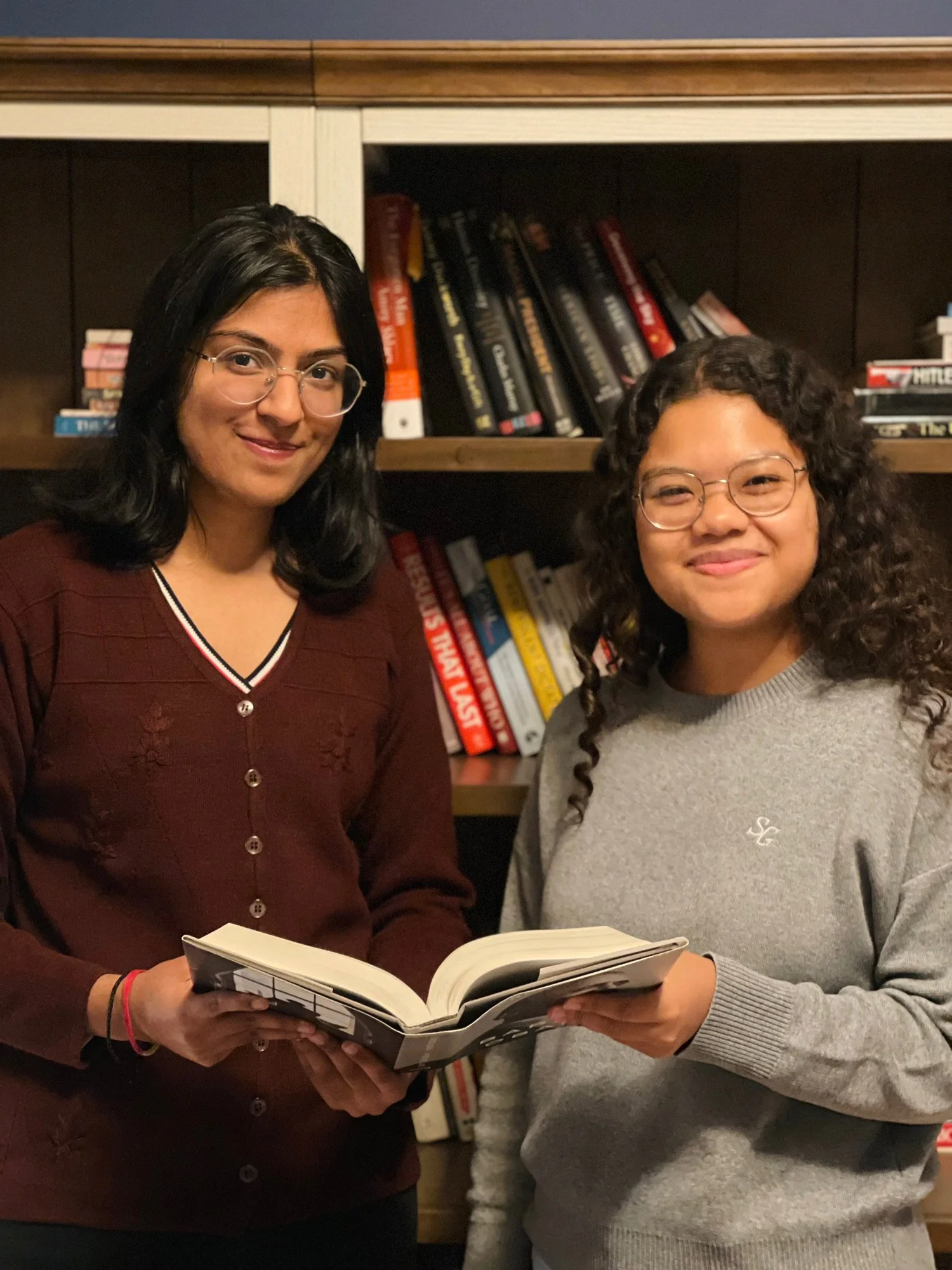
After 13 years of schooling, on a snowy Sunday afternoon, Mirica, a high school junior, and Radha, a high school senior, asked each other this formative and seemingly rudimentary question.
Did it mean finally knowing, or rather knowing enough to recognize there is no real knowing?
Was it becoming an individual shaped by independent thought, yet driven by what is owed to the collective?
Was it arriving at intellectual humility that allowed for the acceptance of repeated metamorphosis in thought and belief?
They searched for this answer in books and poetry, speeches and policies, and did not settle on a singular conclusion. The exhaustive list they generated was filled with propositions rooted in philosophy, psychology, morality, and nearly every imaginable discipline. As diverse as it was, the common thread running through it was what was consistently NOT mentioned and yet what is fundamentally characteristic of schools: scores on standardized tests, grades on transcripts, and awards.
The “education” they attained was something more sacred than what is captured by spectacle. It was found instead in unglamorous moments—moments characterized by friction in thoughts, beliefs, and ideas. Overcoming such friction required imagination, iteration, and a profound inquisitiveness about the story of our humanity, especially in its inhumanity. It was falling in love with learning, not with A’s on report cards.
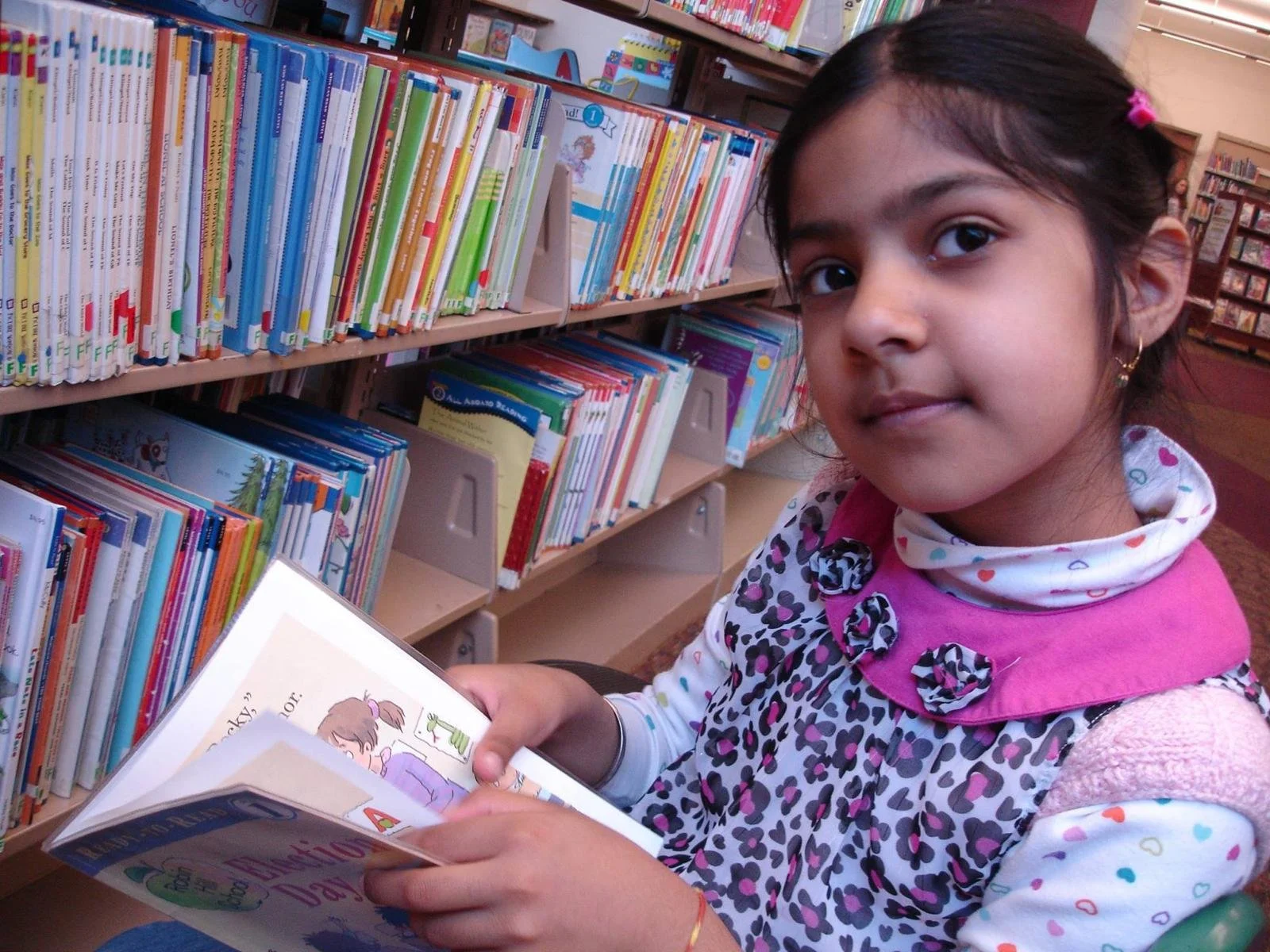
They did, and do, love learning. And, they began to trace back to the moments in which that love was first found and expressed.
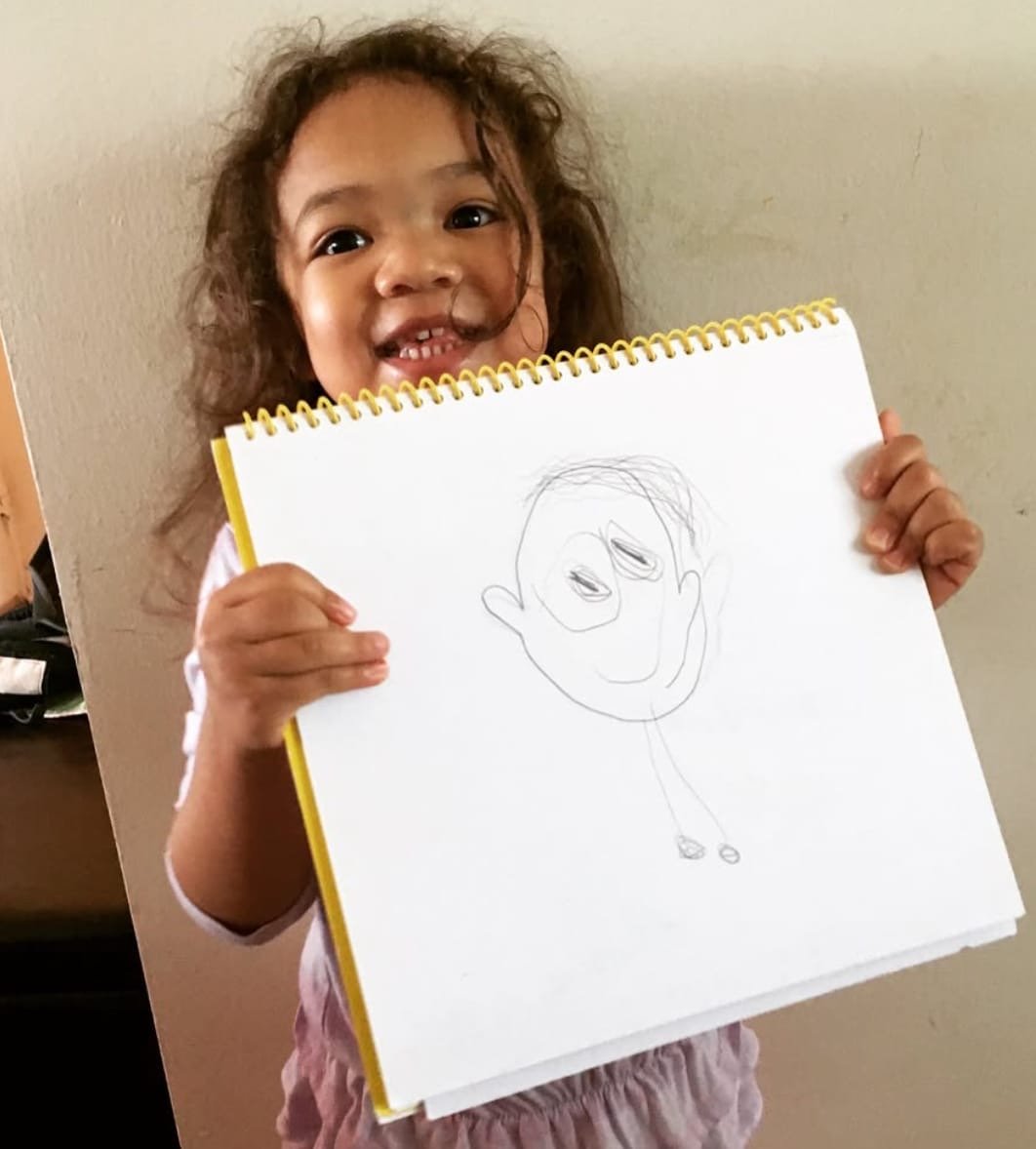
Radha’s love for learning first revealed itself when she wrote and illustrated a trilogy of books at eight years old about the adventures of a little boy and his magical talking dog exploring the world. As unrefined as those stories may have been, they represented a realization of education’s unlimited scope—a realization that even a child has something to contribute and construct with what she has been given. The real joy, she found, was in surrendering to that sense of unlimited possibility.
Partially raised by television shows like Regular Show, Gravity Falls, and Avatar: The Last Airbender, television has instilled Mirica with a love for storytelling. By teaching her that trajectories are more inherited than they are chosen, storytelling has developed Mirica’s optimistic approach to life and her dedication to extending grace to others. Having grown enamored by the ways in which human complexity can shape her perspective on others, Mirica has developed a passion for nuance, eagerly approaching every opportunity to learn more about those around her.
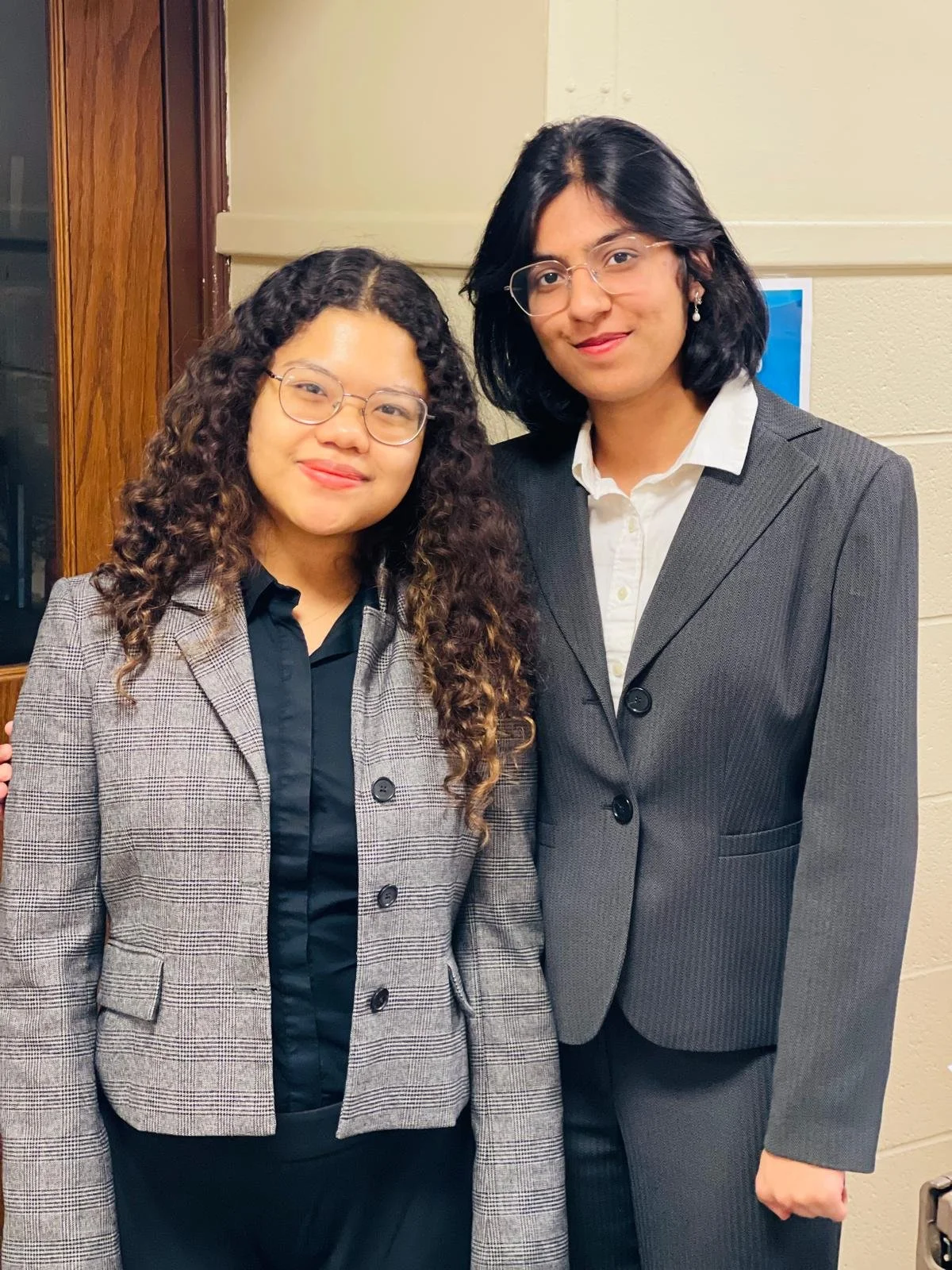
Mirica and Radha take pride in their belief that they’re not merely recipients of learning, but stewards of it. Their mindset has shaped how they approach inquiry across disciplines. While collaborating on an investigative history research project, they pieced together an overlooked and undertold American journalistic pursuit that exposed a covert CIA operation. In doing so, they deepened their understanding of government and politics by sifting through declassified documents and engaging in direct conversations with journalists from the 1960s who are still alive today.
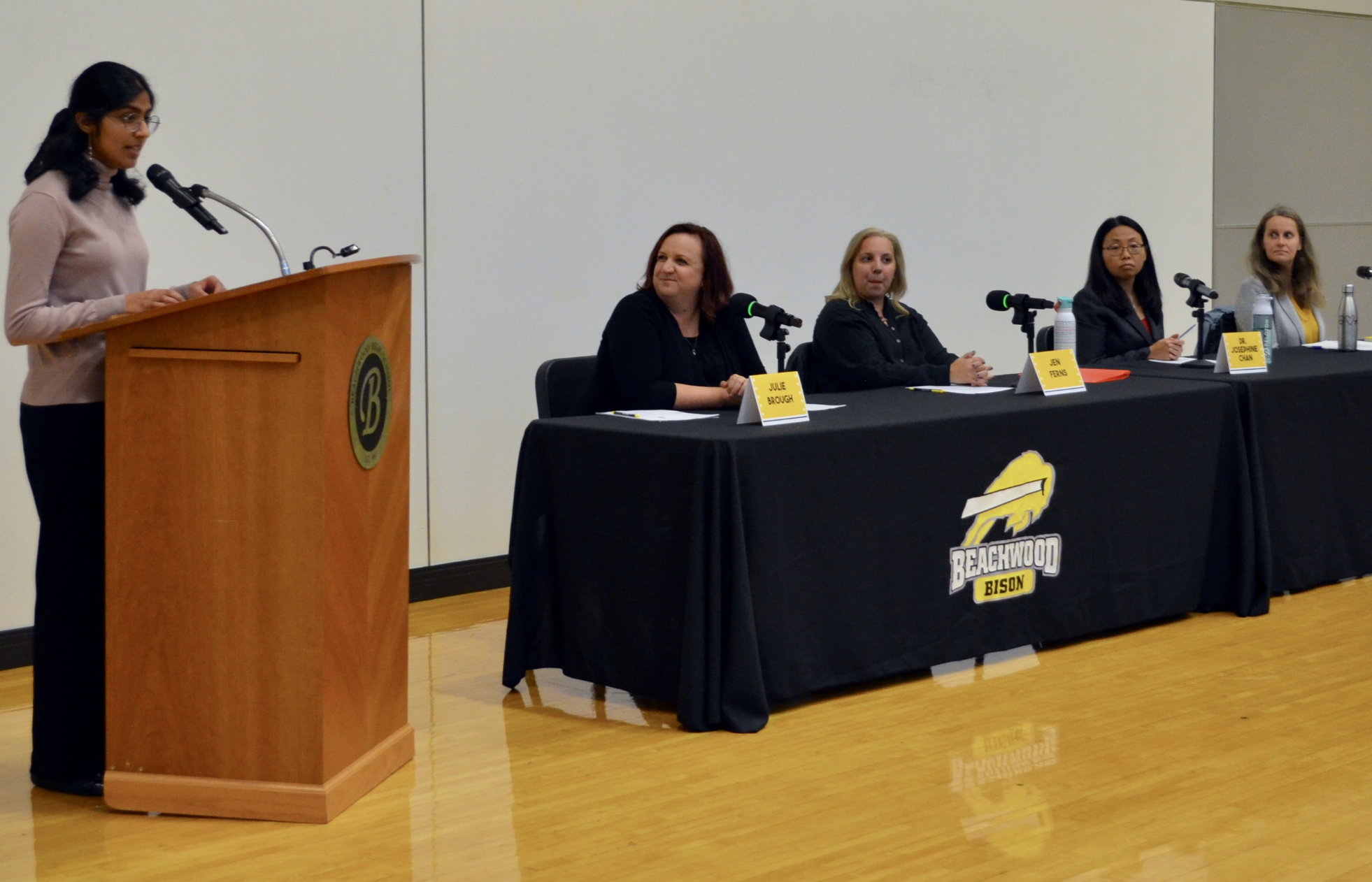
These experiences have also shaped how they understand history itself: not as a regurgitation of what happened, but as a quest of why it happened and an effort to identify patterns that reveal continuity and contradiction. It also guides their civic curiosity. When they questioned the inner workings of a state-level judiciary, they decided to meet with Ohio Supreme Court justices, learning that their unique position compels them to be guided by law rather than rhetoric or results. When they realized that many parents and community members were unfamiliar with the Board of Education candidates running for office, they organized a community forum to create space for questions and dialogue.
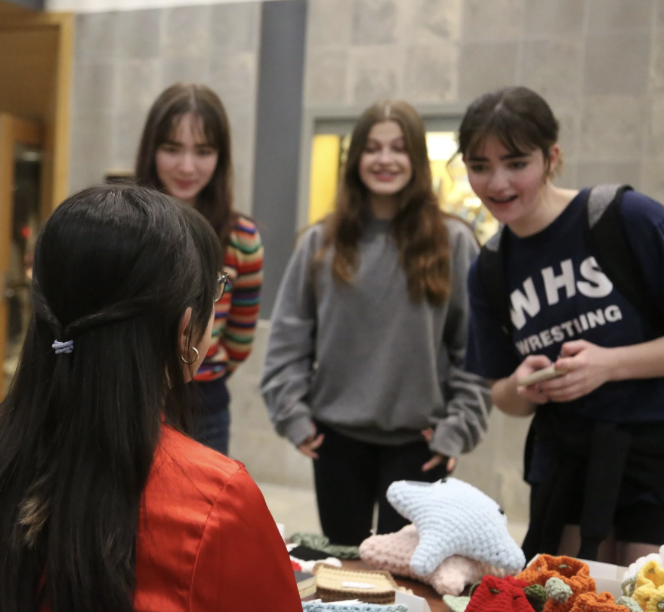
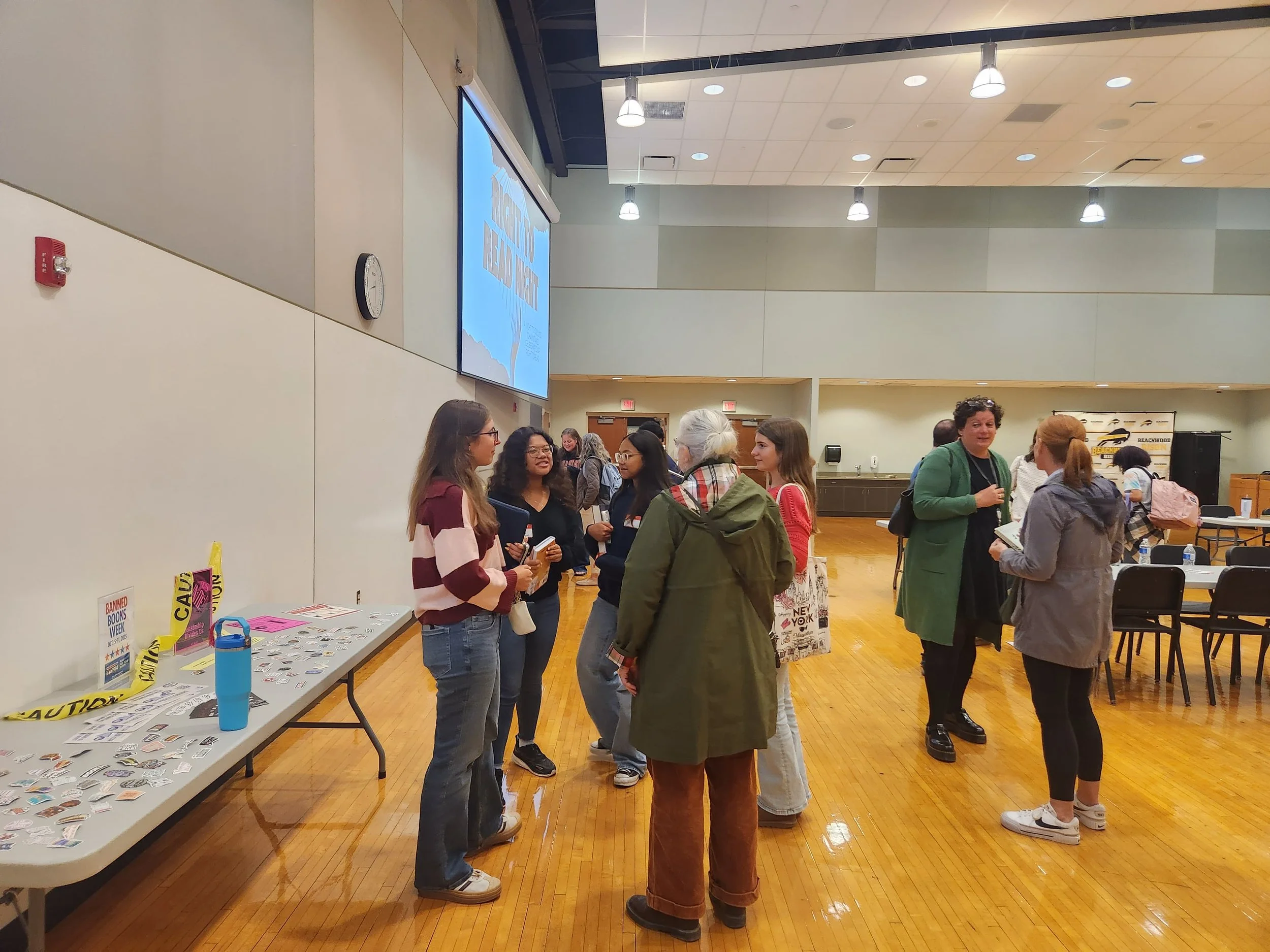
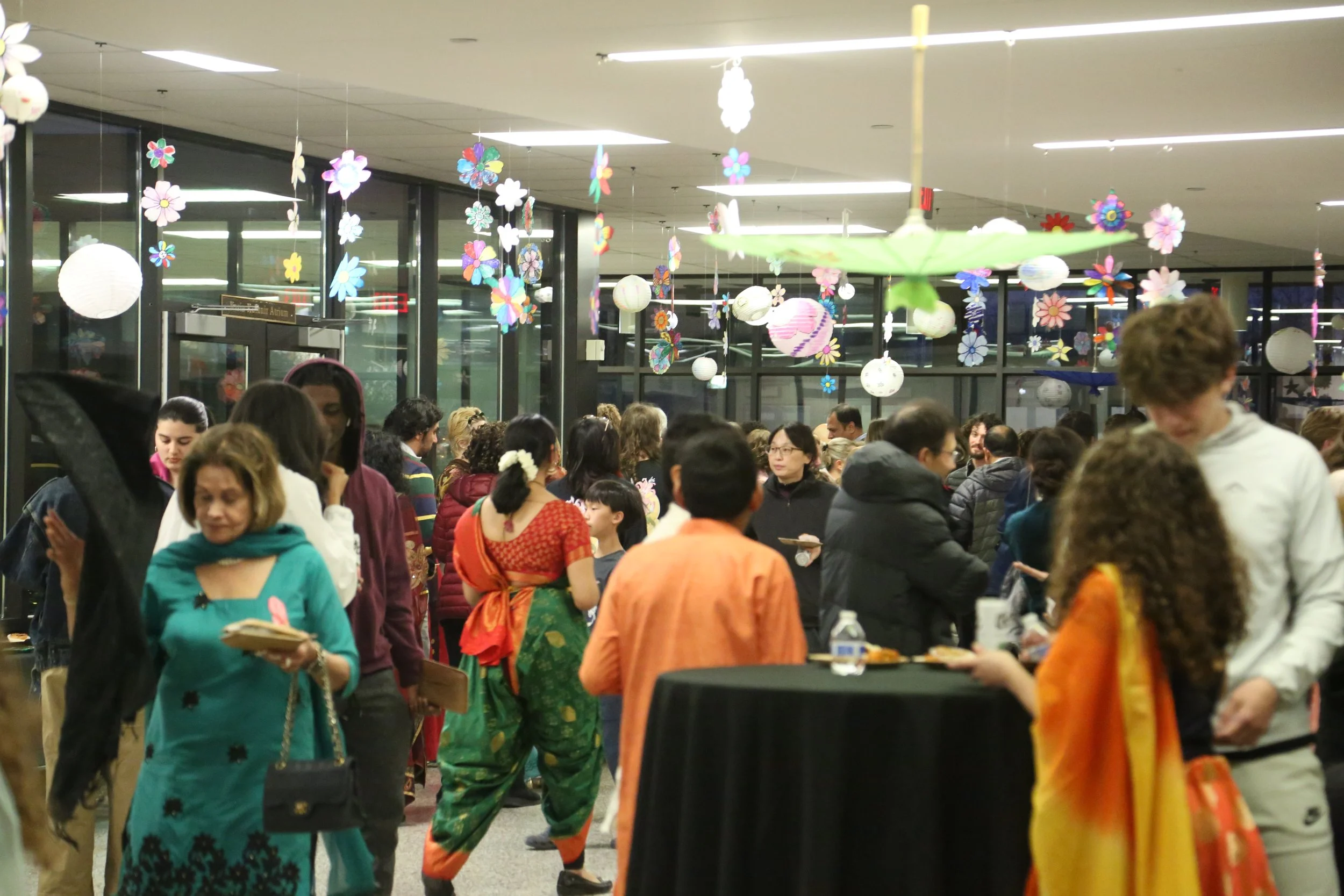
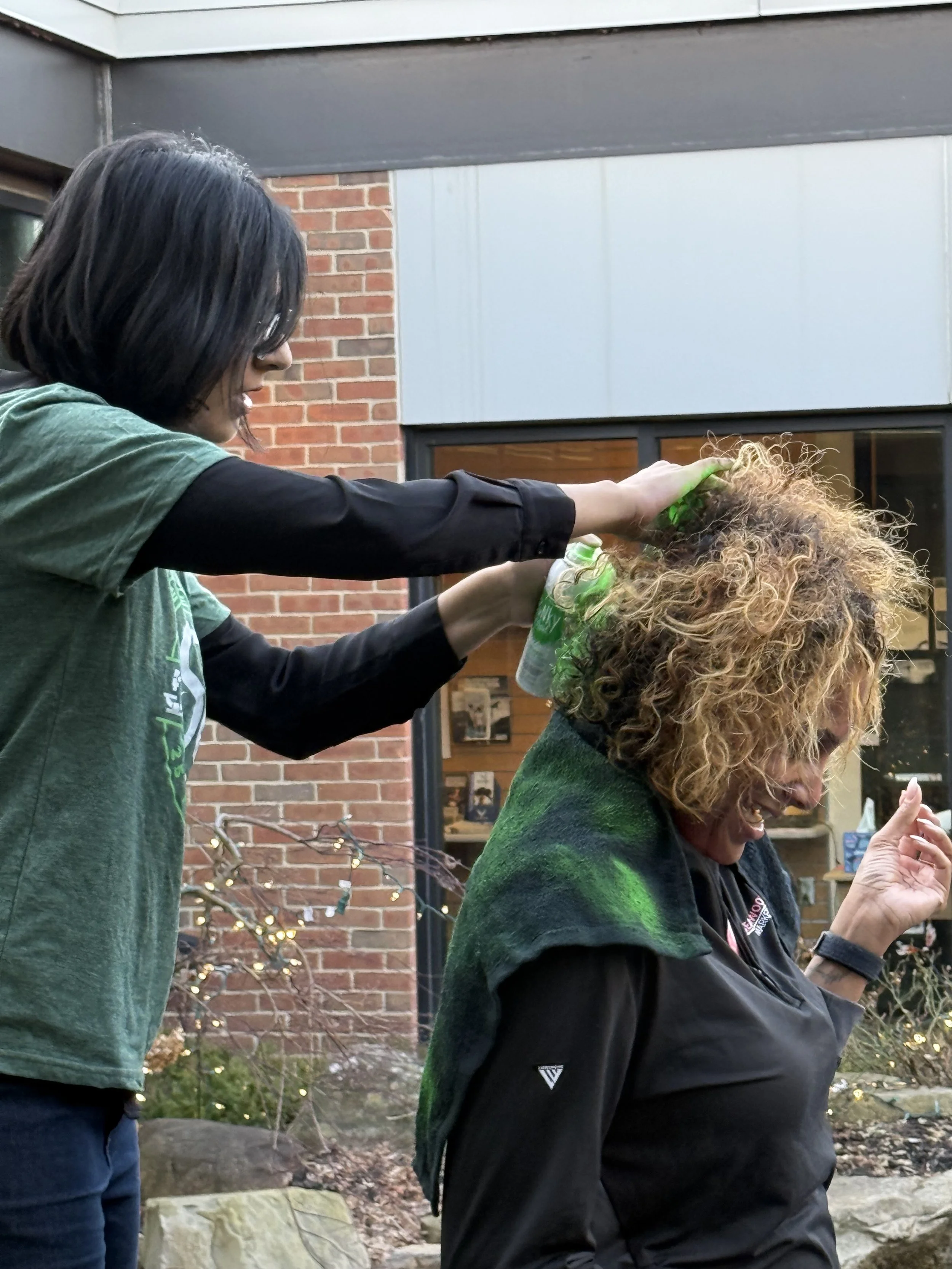
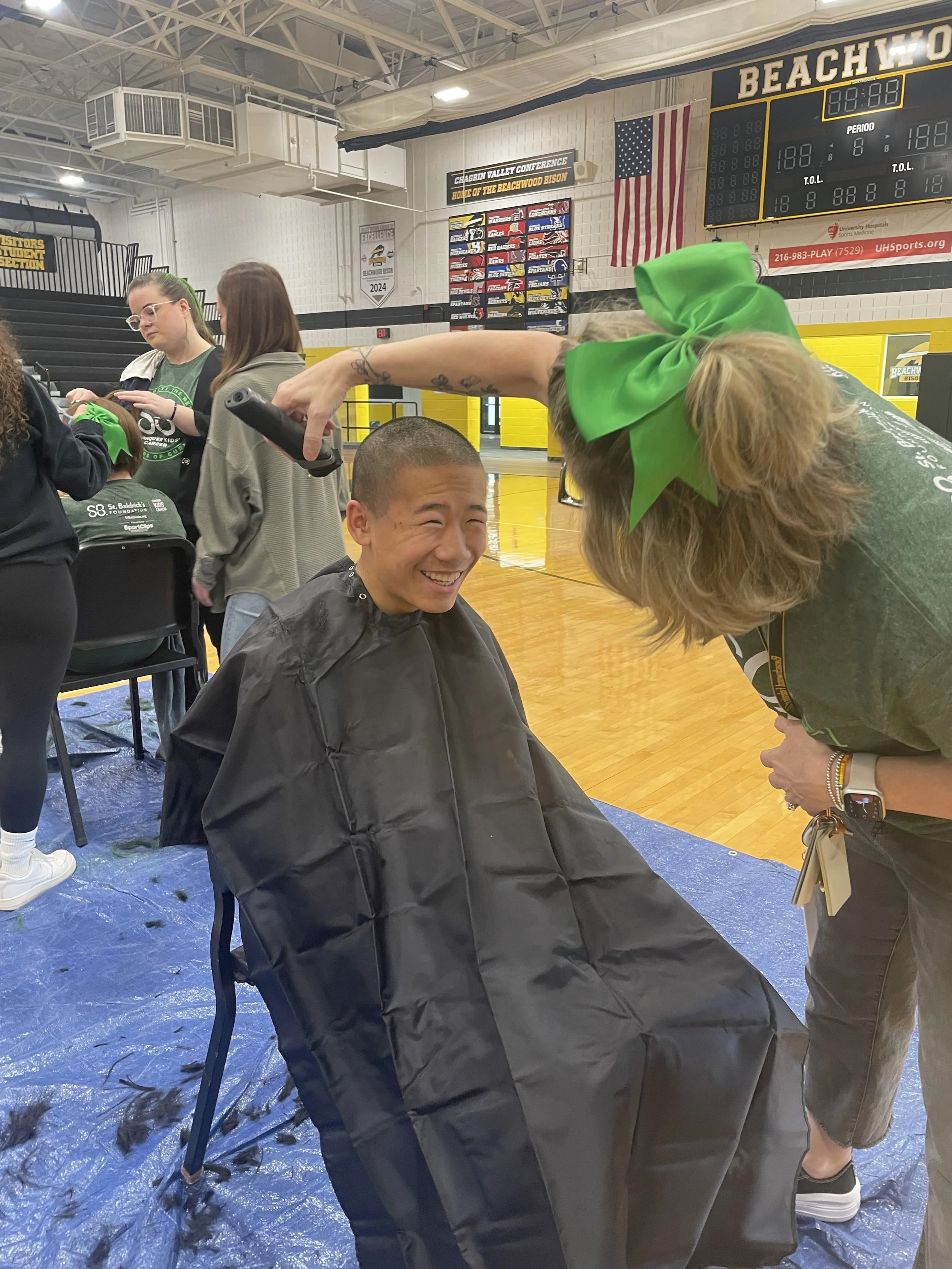
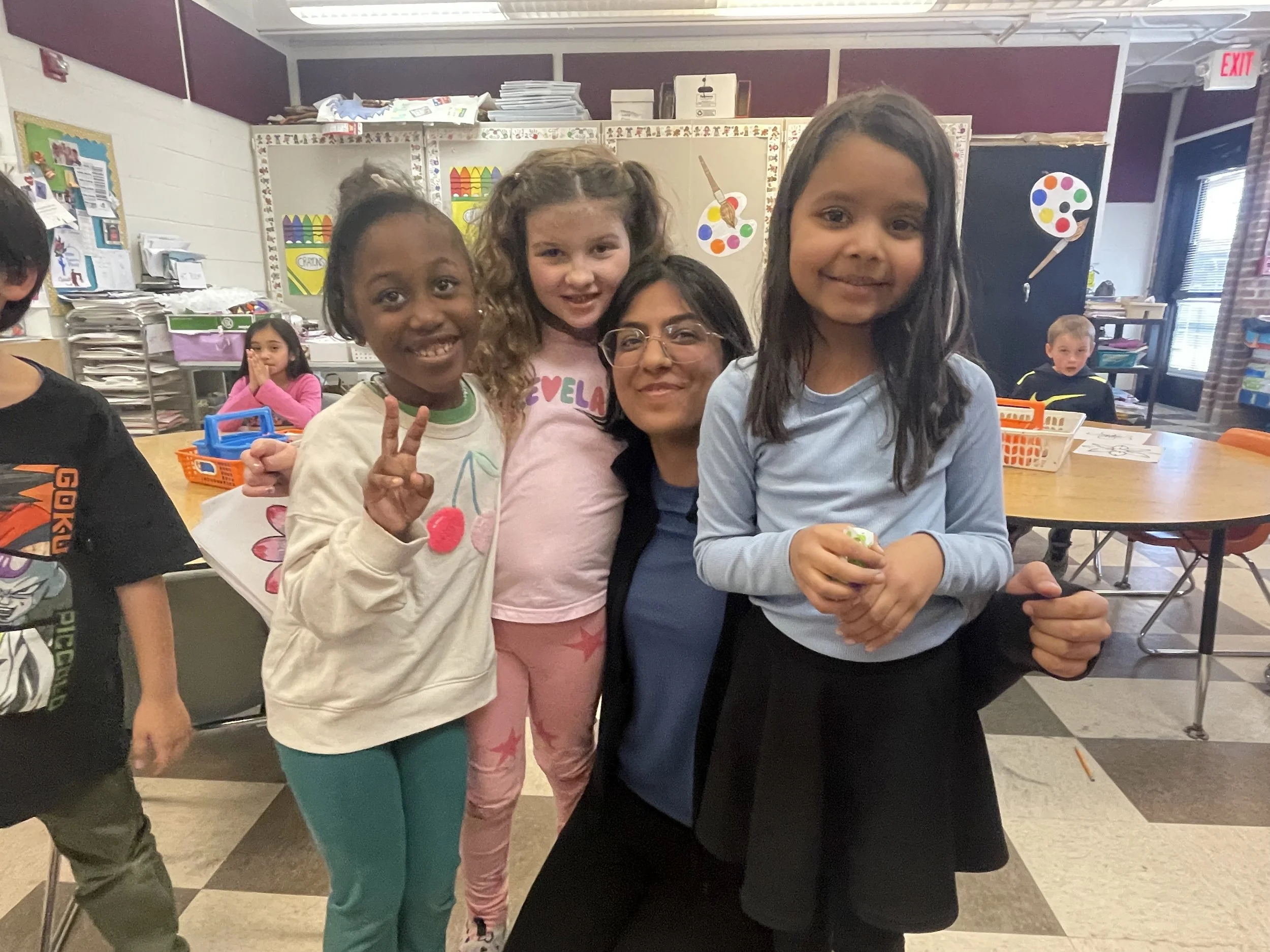
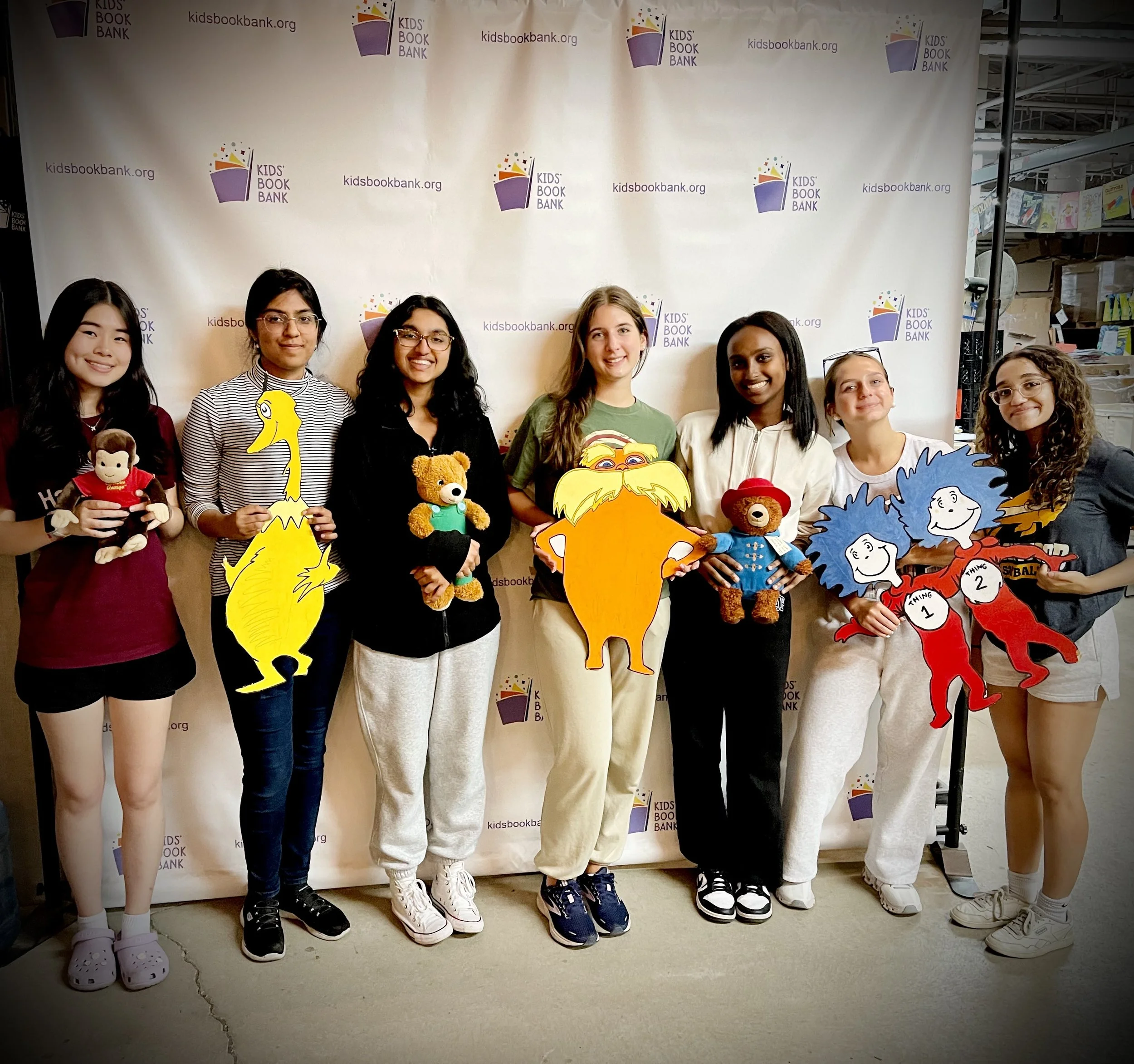
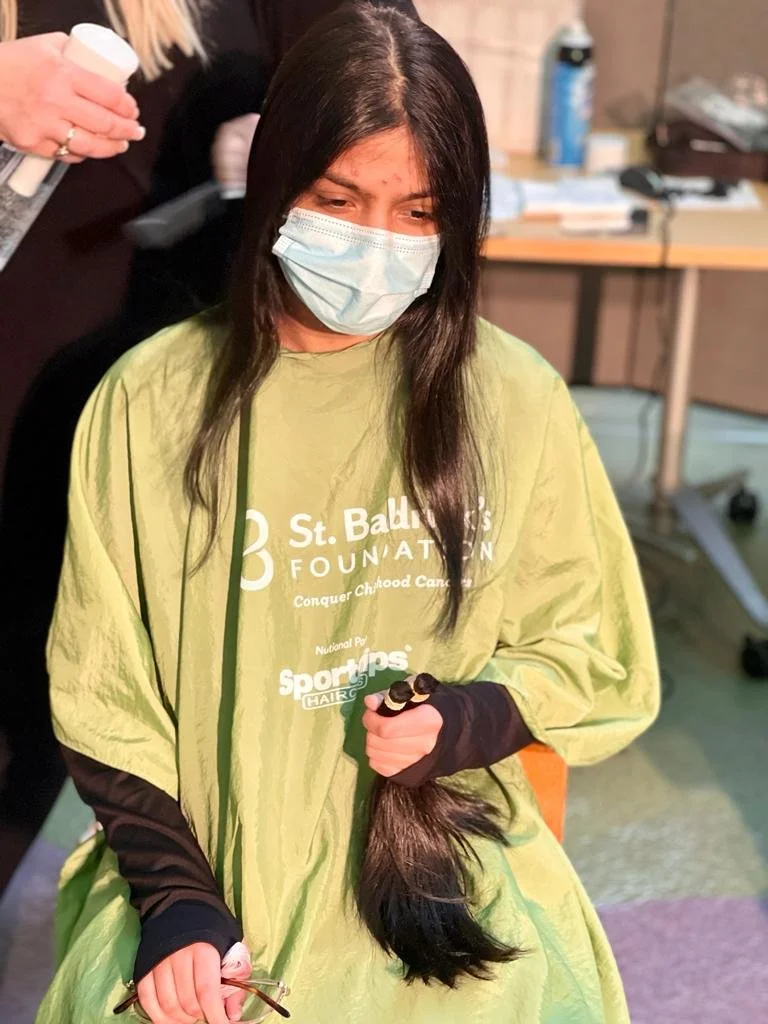
Beyond dialogue, they recognized the necessity of action. Whether starting the first head-shaving and pediatric cancer awareness campaign in their district, launching a peer-to-peer mentoring program that has created over 100 high school–to–middle school student partnerships, organizing a community-wide summit for young people to hear from Asian Americans in entrepreneurship and the arts, hosting literacy nights for elementary-aged students, or creating a Right to Read event to draw local attention to national book bans and censorship efforts, Radha and Mirica consistently seek to practice civic virtue within social networks, activating it in the communities they are part of.
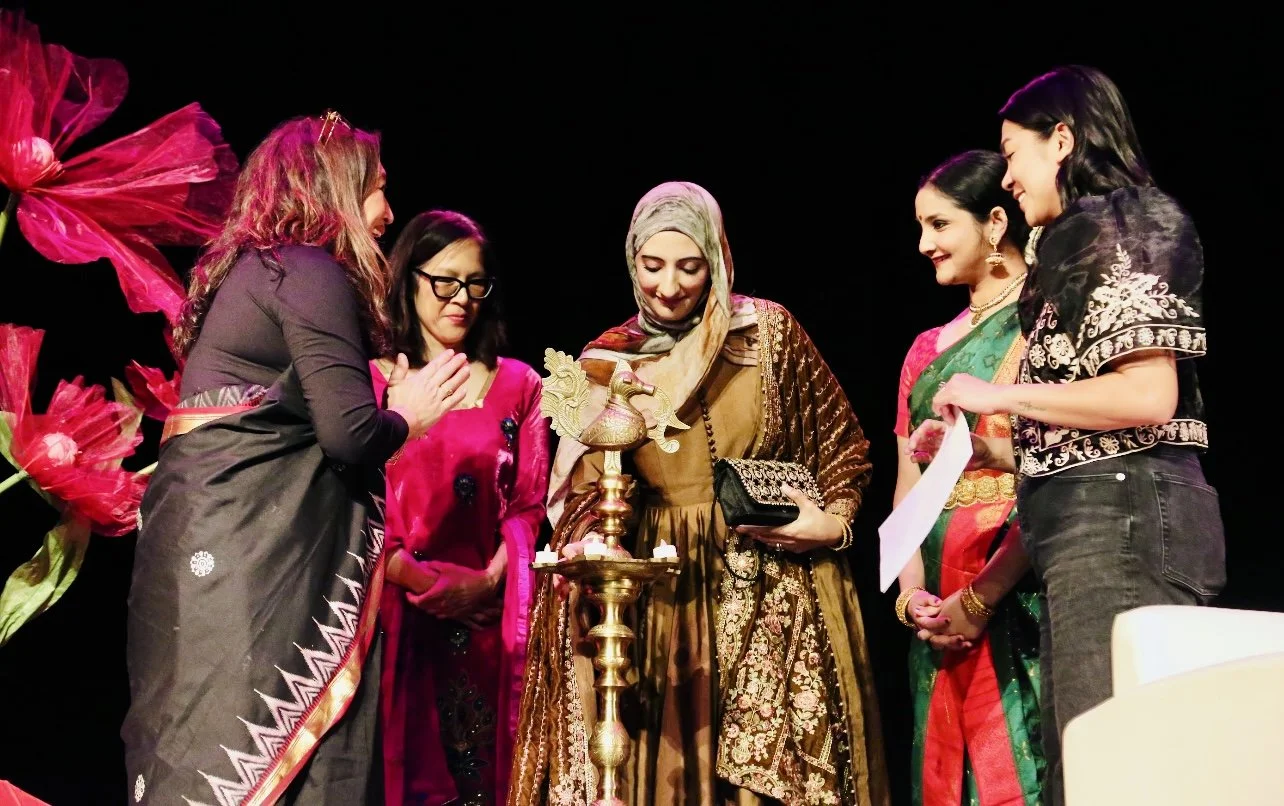
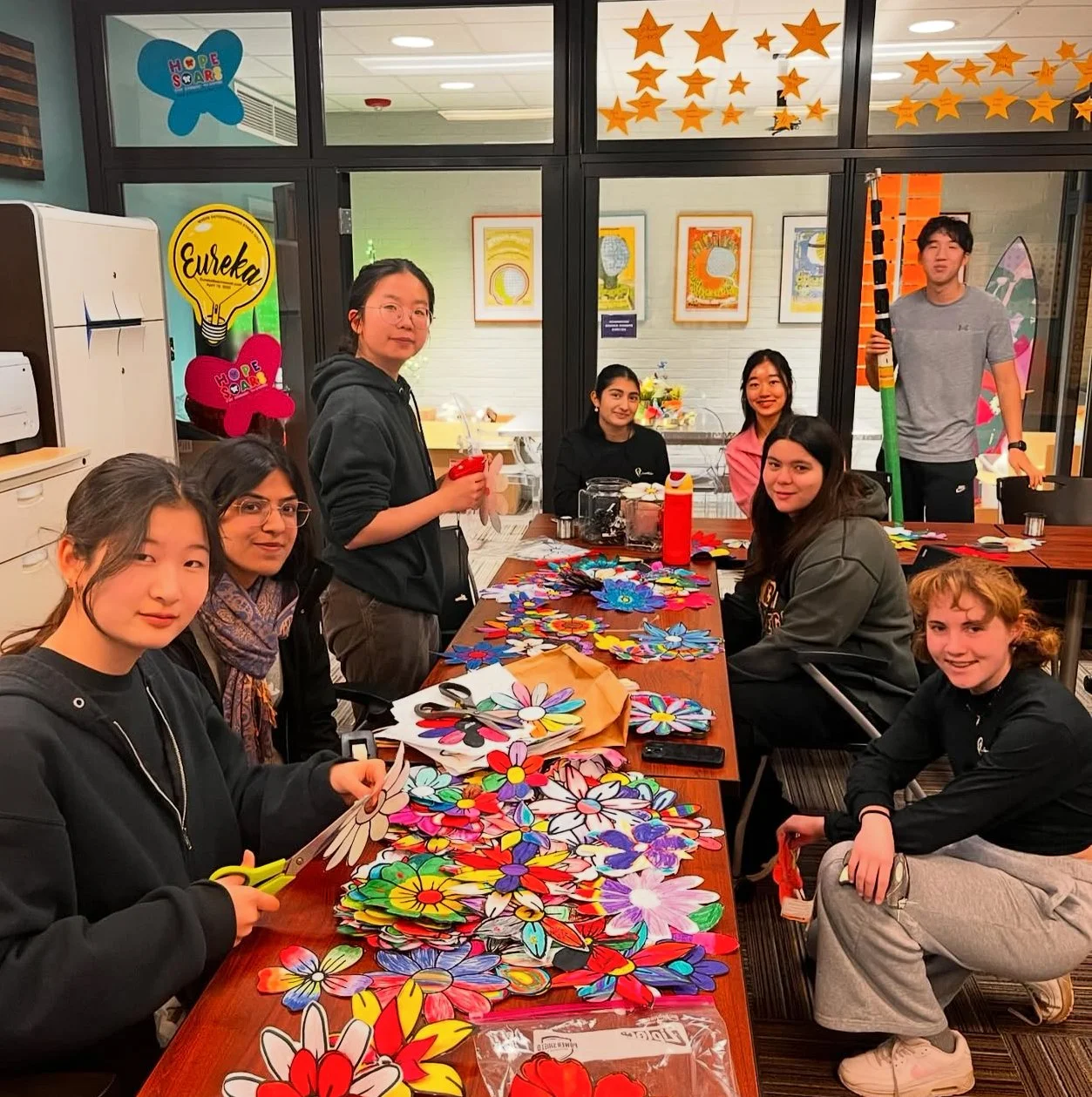
In retrospect, these experiential learning experiences weren’t marginal but foundational to their educational experience. Further reflection provided insight that extractions from their “outside of the classroom” experiences were facilitated by the knowledge gained from inside the classroom. It was because their teachers provided such an exuberant education that they could imagine learned concepts in practice and seek to contribute to them in action. A theme consistent throughout both Mirica and Radha’s lives has been faith—their parents’ faith in them as individuals, their teachers’ faith in their curiosity, and their mentors’ faith in their capacity to lead. This belief has expanded their world beyond its physical limits and continues to inspire them to place relentless belief in others. Mirca and Radha see their work as their way of life, and at its root it is a translation of their gratitude. They invite you to join them in this way of life, one in which being educated means existing in the unceasing pursuit of education.